
When you bid on auction cars, you will want to know that the vehicle you’re bidding on is worth the time and money to buy, fix it up, and drive it. While you can rely somewhat on the vehicle’s description and photos, having someone inspect the car might be a good idea before the auction starts. If you can’t do this in person, the auction sites have authorized third parties that you can hire to inspect the car for you.
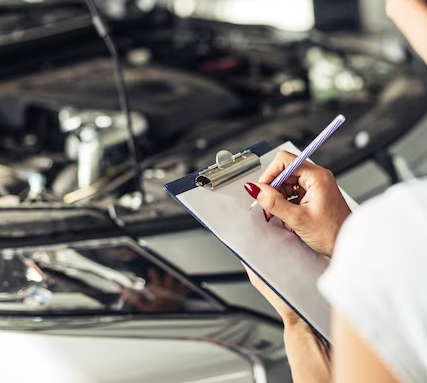
Table of Contents
Inspections are Important for Buyers and Sellers
Accuracy – An inspection will give you an accurate assessment of the vehicle that you want to buy. When a professional inspects the car, you know that they will take a look at the engine, all of the mechanical components, check out the body, look at the interior, and take in the car’s overall condition. A written evaluation gives you all of the information you need to decide not only whether you want to bid on the car, but it also gives you a good benchmark for how much your highest bid should be.
Transparency – When an inspection is completed, you will get information on the vehicle’s condition. Detailed reports offer information on current problems with the car and possible potential issues in the future. Reports during inspections and what is available online on the vehicle description page will give you a well-rounded description of the car that includes maintenance history, accident records, damages, and more. This information will help determine whether you wish to bid on the vehicle.
Trustworthiness – When you trust the inspection, you trust the auction house. When you see that the vehicle has been through an inspection, it’s much easier to bid with confidence in the process and the auction site. An assessment demonstrates the auction house’s commitment to trust, which fosters goodwill between the buyers and the sellers. This makes for a reliable marketplace for buying and selling cars.
Buyer Benefits
Informed Decision – You can make an informed decision when you can access an inspection. When looking over the inspection report, you will have an overall understanding of the car’s condition. This allows you to not only decide whether you want to bid but also gives you an idea of how much money you may need to spend to fix the vehicle. All of this information makes it easy to decide your maximum bid amount.
Risk Mitigation – Inspections can help determine how much risk you want to take on an auction car. When you can see the potential issues or hidden damages not shown in the photos, you can evaluate the risks that you may have in the future. You can use the inspection as a safety net and walk away if it discloses underlying severe problems. For instance, a worn brake pedal inside the car may make the engine miles suspect.
Convenience – When you can’t visit the auction in person, having someone you can trust to go over the car for you is nice. While you may not know the person or company doing the inspection, if the auction site has authorized the third party then you can rest assured that the site wouldn’t risk its reputation by authorizing someone unprofessional to inspect its auction cars. Even though the site has a detailed vehicle page, it doesn’t mean that you have to put your complete trust in the description; you can hire a neutral professional.
Seller Benefits
Credibility – When sellers provide inspection reports or allow inspections on their cars, they prove that they are committed to transparency. When a buyer sees a comprehensive vehicle assessment, the seller builds credibility, which will help them sell their cars for more money and have faster sales because it will attract serious buyers.
Competition – Sellers who offer inspection reports on their vehicles have a better chance of rising above the competition since buyers are more willing to trust them, which will lead to more sales in the future.
What an Inspection Report Contains
VIN – The VIN is decoded and is ensured to match the auction details
Engine Compartment – A visual review of the engine components and photos can include batteries, fluid levels, mechanical parts, etc.
Engine and Transmission – Visually check for leaks, listen for noises, and test shifting ability.
Steering and Suspension – As long as the vehicle can be started, the steering is tested and the inspector listens for noises and looks for leaks.
Interior – A check of the airbags, dash and gauge lights, power windows and locks, upholstery, and other components lets you know if you need to replace any parts like blown airbags.
AC – The system condition is noted.
Tires and Brakes – The tires and brakes are visually inspected for wear and tear.
Other areas of the vehicle are checked during an inspection, but these are the most important ones to look out for. Remember, the inspection is designed to give you more information on what you may need to repair, so expect there to be areas of the vehicle that need attention listed on it.
Inspections are crucial to car auctions, and with thorough inspection reports, buyers are more likely to trust the sellers and the auction house. When you buy a car through an auction, you want to use as many tools as possible, and the inspection report is one more tool to help you make an informed decision.